
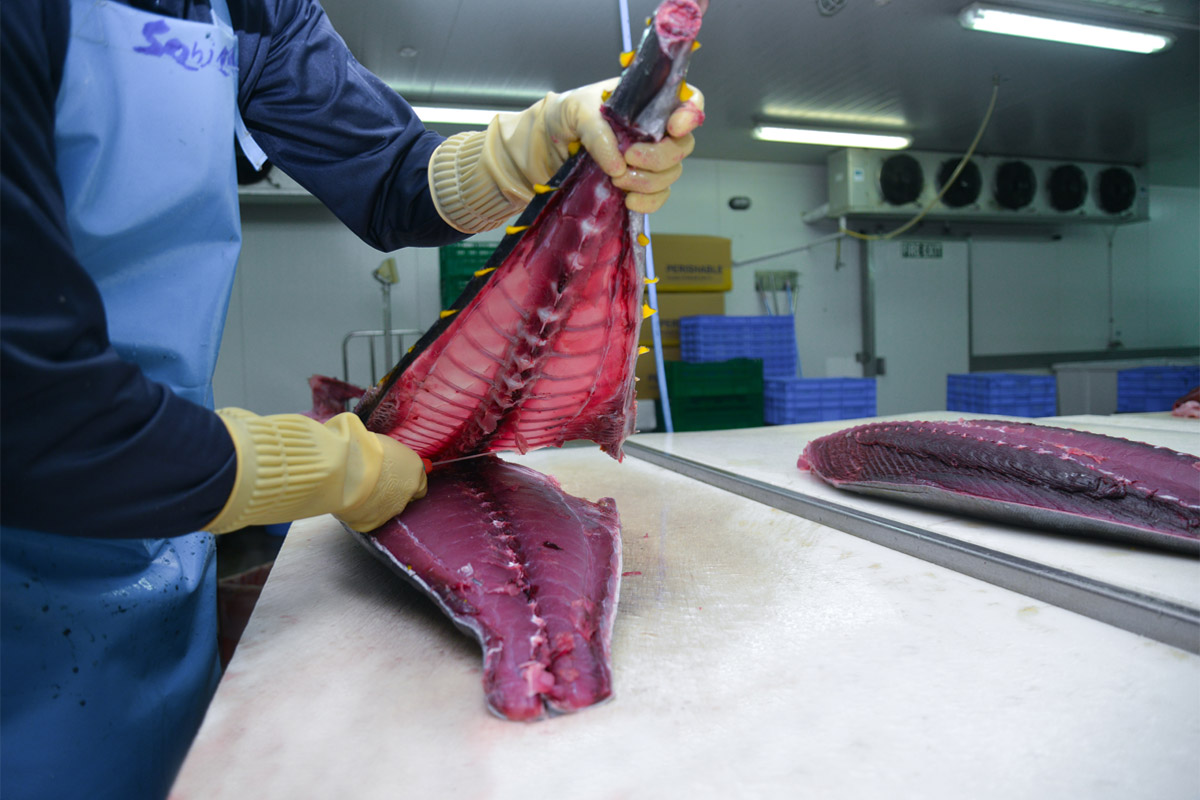
Processing
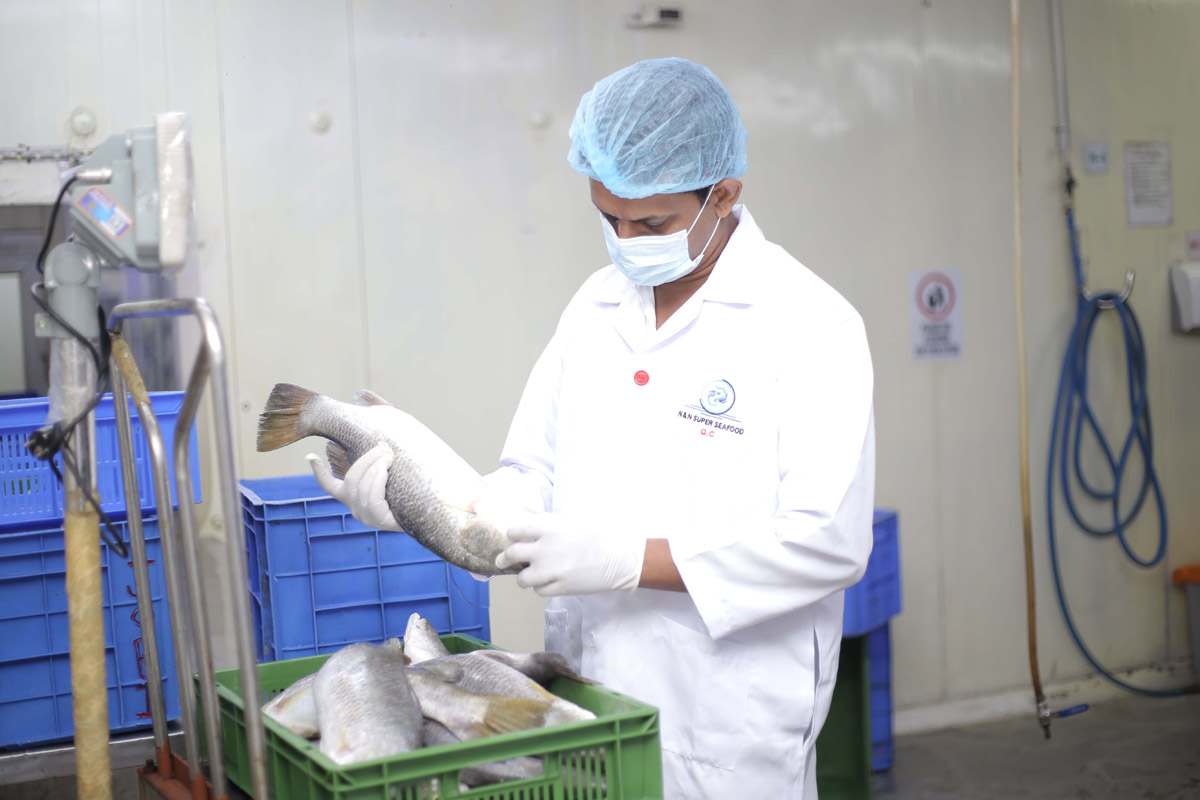
Processing is performed under intrinsically hygienic conditions, maintaining the temperature below 4°C throughout the processing line.
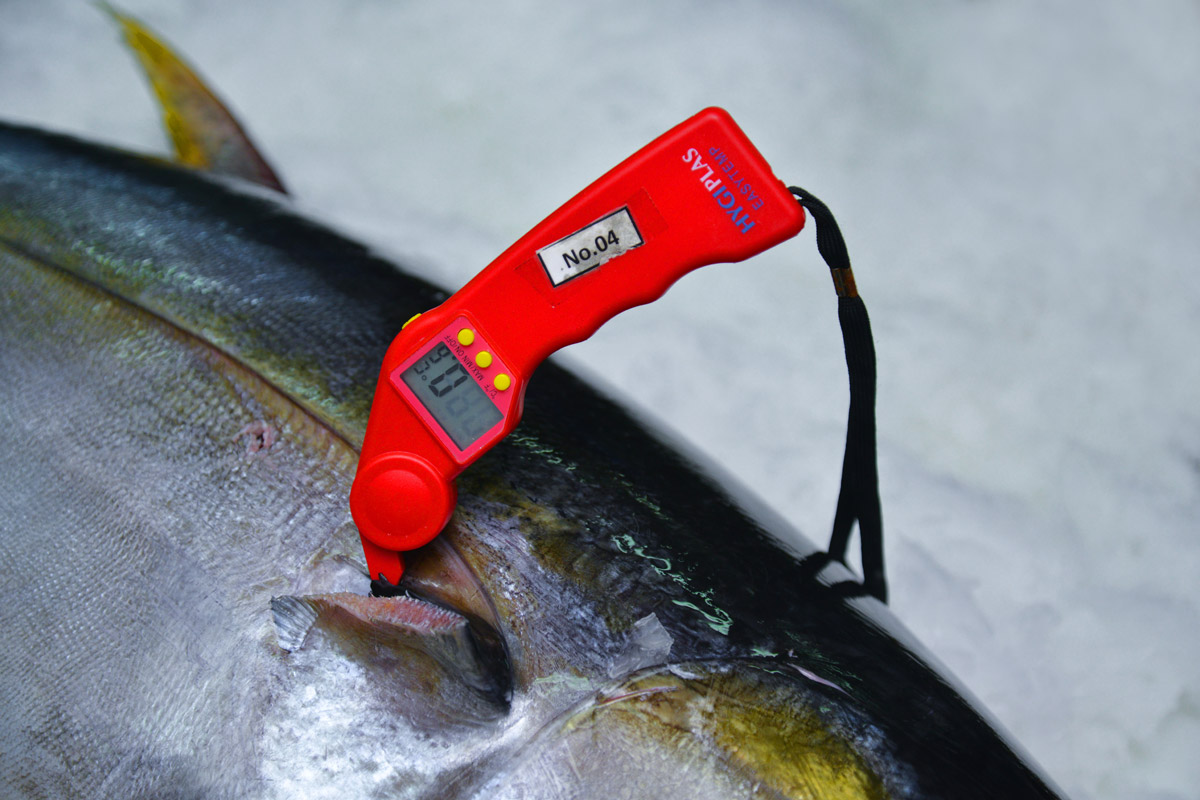
Quality
Our processing plants operate strictly in accordance with HACCP protocols. A certified quality controller critically tests each fish for histamine levels and other safety parameters, ensuring compliance with all food safety standards.
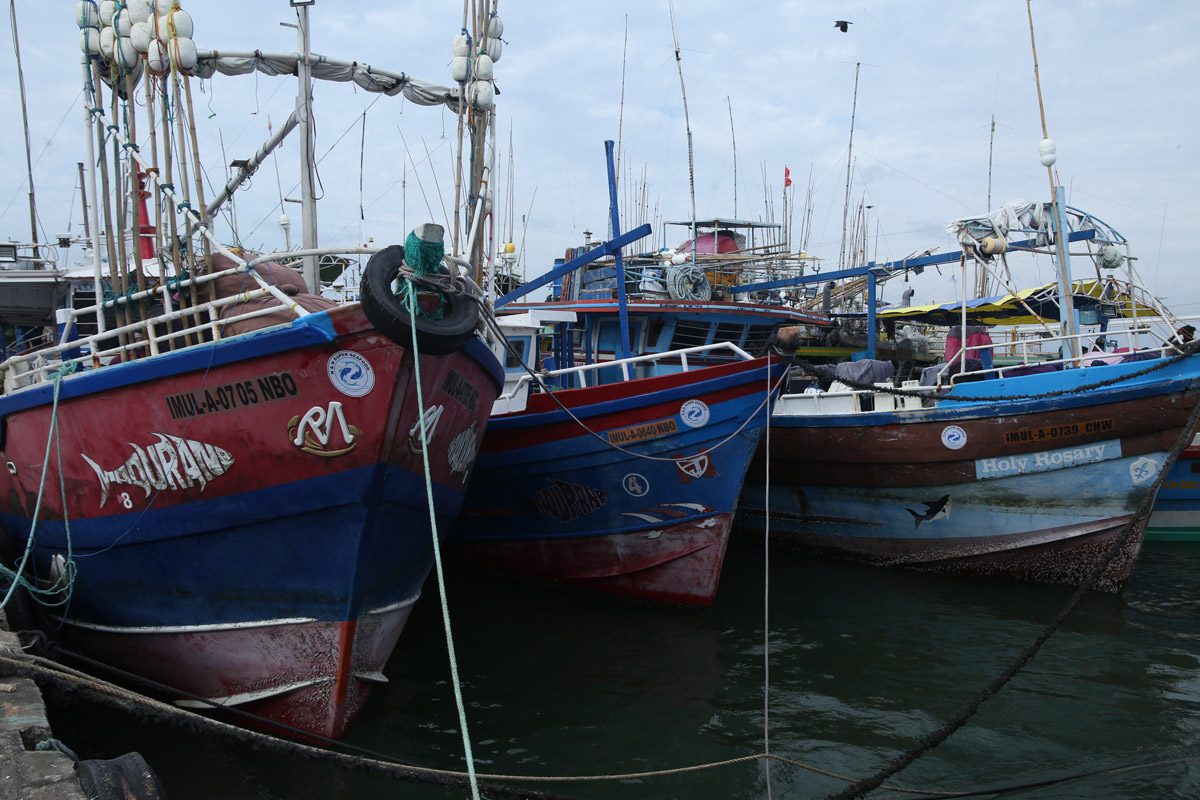
The Supply of Fish
Maintaining hygiene throughout the supply chain is paramount to preventing contamination and ensuring consumer safety. Company representatives conduct periodic inspections of both company-owned boats and those operated by contracted suppliers. These visits focus not only on the cleanliness of the vessels but also on operational practices, including how fish are handled and stored on board. Such supervision helps enforce compliance with hygiene regulations and company policies, reduces the risk of contamination, and sustains high-quality standards across all suppliers.
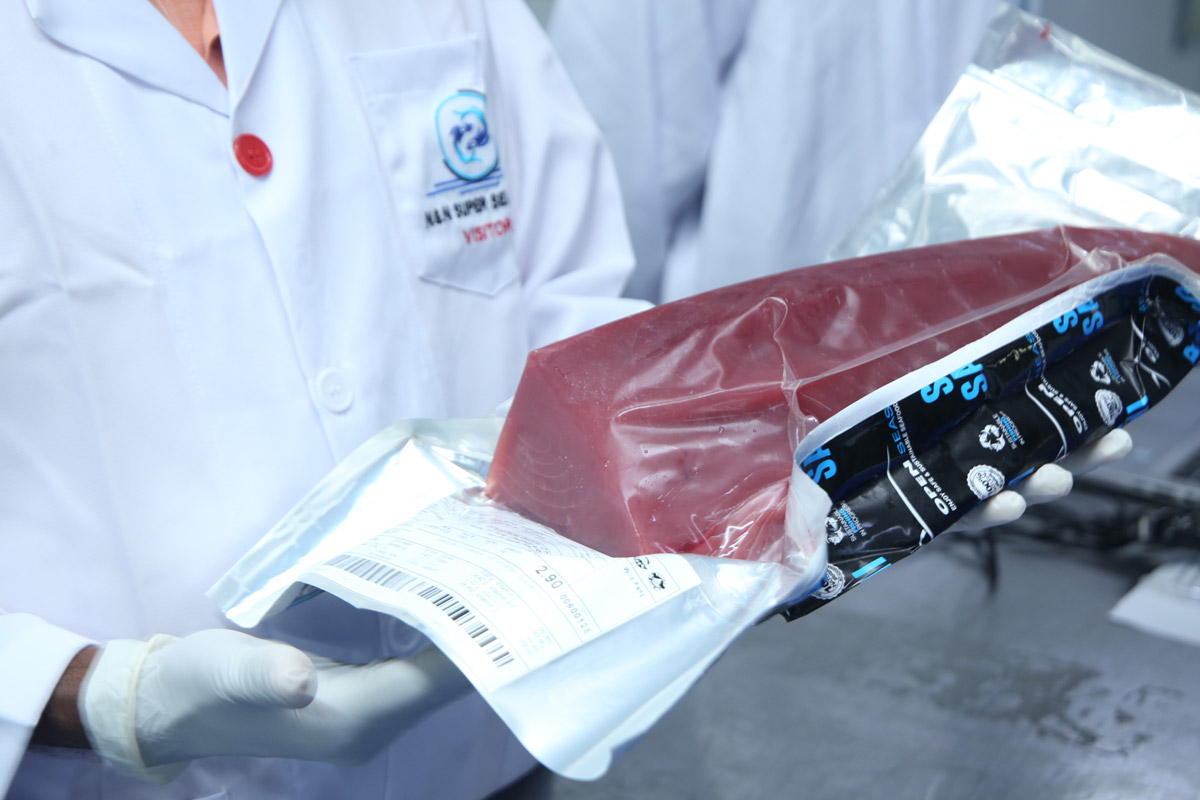
Packaging
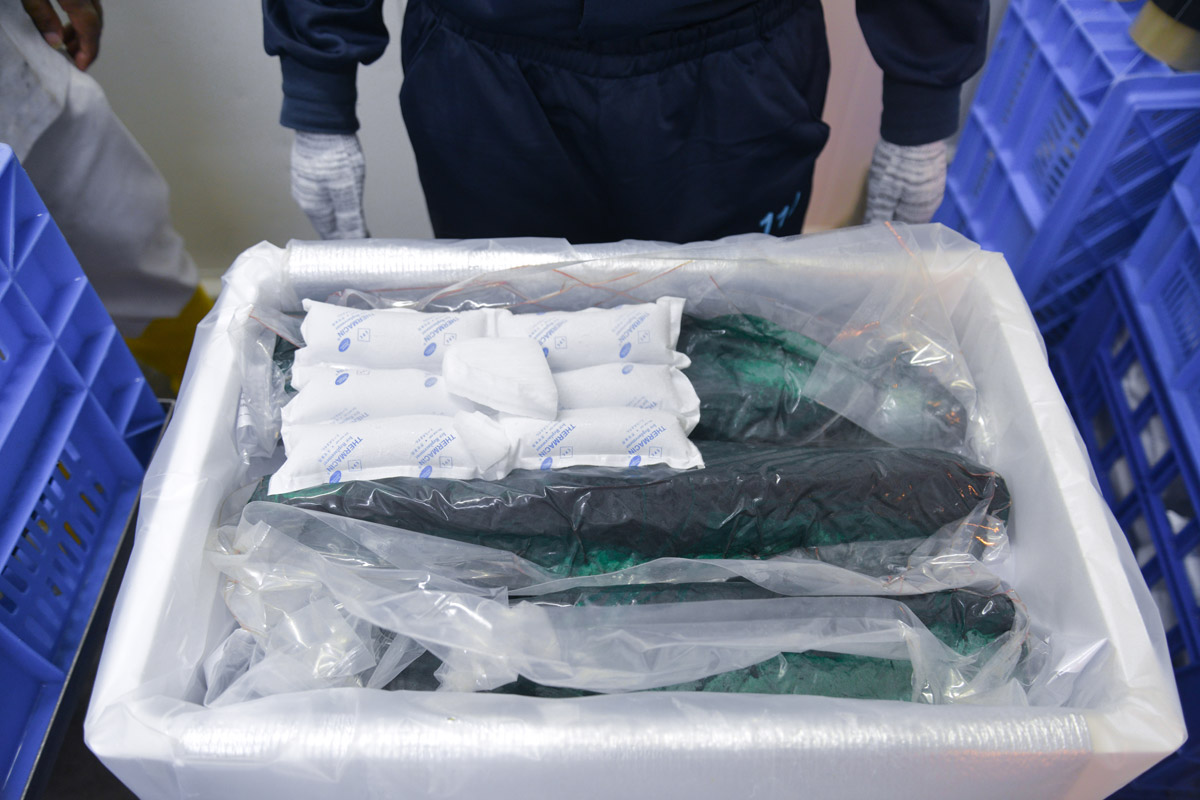
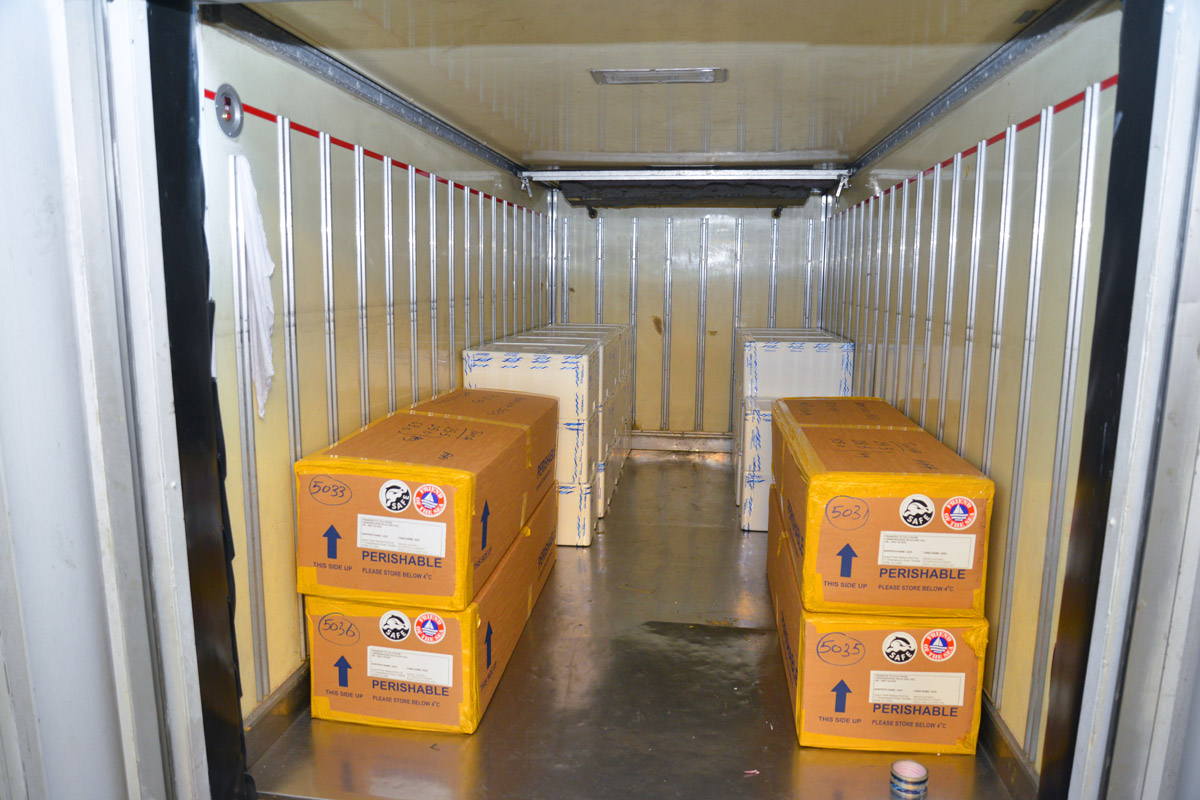
Fillets and loins are sealed in vacuum-packed plastic bags. These inner cartons are then placed into insulated boxes made of polystyrene, which contain internal plastic liners, and are kept in refrigerated cold rooms until they are ready for dispatch. Prior to export, dry and wet ice are added to the boxes, which are then sealed with tape, transported to the airport using refrigerated trucks, and subsequently air freighted.
Ensuring Quality Through Packaging and Cold Chain Management
The journey of delicate fillets and loins from processing facilities to international markets involves a meticulous series of steps designed to maintain freshness, quality, and safety. This text explores the standard practices employed in packaging, refrigeration, and transportation of these high-value meat cuts, emphasizing the importance of controlled environments and specialized materials. Regular monitoring also facilitates early detection of any deviations from required practices, allowing for corrective actions that minimize impact on product quality. This proactive approach underlines the company's commitment to responsible sourcing and food safety.
Packaging and Storage
Initially, fillets and loins are vacuum-packed in plastic bags. Vacuum packaging is critical, as it removes air, inhibiting bacterial growth and oxidation, thereby preserving the product’s texture and flavor. These vacuum-sealed packs are then placed inside inner cartons, which serve as an additional protective layer against physical damage during handling. To maintain optimal temperature during storage, the inner cartons are packed within insulated boxes made of polystyrene, a foam material known for its excellent thermal insulation properties. Inside these boxes, plastic liners further prevent any moisture infiltration, which could compromise the product’s quality. The boxes are subsequently stored in refrigerated cold rooms, ensuring the products remain at consistent low temperatures, which is vital for slowing down microbial activity and enzymatic degradation until they are ready for dispatch.
Preparation for Export
Before export, the packaging is enhanced by adding both dry ice and wet ice to the insulated boxes. Dry ice, solid carbon dioxide, offers extremely low temperatures and sublimates without leaving liquid residue, which helps maintain an ultra-cold environment. Wet ice complements dry ice by providing a steady supply of cooling through melting, cushioning the product against temperature fluctuations during transit. Once sealed securely with tape, these insulated boxes are transferred to refrigerated trucks that transport them to the airport. The use of refrigerated vehicles throughout the supply chain is essential to maintain the cold chain integrity. Finally, the products are air freighted, a preferred method for perishable goods, as it minimizes transit time and exposure to ambient temperatures, ensuring the fillets and loins arrive at their destination with their quality uncompromised.